Cantonal Licensing Variations and Their Effect on Real-Time Payment Processing for Blackjack Sessions in Swiss Apps
Devon Hartmann · Sep 21, 2026

Cantonal Licensing Variations and Their Effect on Real-Time Payment Processing for Blackjack Sessions in Swiss Apps
Switzerland operates under a federal framework for gambling while each of its 26 cantons handles licensing details independently, and this setup creates distinct rules for real-time payment processing in mobile blackjack applications. Observers note that these differences influence how operators manage instant deposits and withdrawals during live dealer sessions, especially when players switch between cantonal jurisdictions on the same app.
Data from regulatory filings shows that cantons like Zurich and Geneva maintain stricter verification timelines for payment providers compared to more streamlined approaches in places such as Vaud or Ticino. Researchers discovered that these variations often stem from local interpretations of the 2019 Federal Act on Gambling, which leaves room for canton-specific requirements around transaction speed and security protocols.
How Cantonal Rules Shape Payment Infrastructure
Payment processing in Swiss blackjack apps must comply with canton-level mandates on encryption standards and banking partnerships, and this directly affects the latency of real-time transfers. Experts have observed that apps licensed in multiple cantons often deploy region-specific gateways to avoid delays, since a single uniform system rarely satisfies every local authority.
Turns out the reality involves separate approvals for instant payment rails like Twint or direct bank transfers, with some cantons requiring additional audits that extend setup times by weeks. According to reports from the Swiss Federal Office of Justice, operators must demonstrate compliance with varying thresholds for transaction monitoring before they receive clearance to offer live blackjack with immediate funding options.
Regional Differences in Transaction Handling
Take one case where authorities in Basel-Stadt enforce earlier cutoff times for same-day settlements during peak evening hours, whereas Appenzell permits more flexible windows that align better with extended gaming sessions. Studies indicate these inconsistencies force app developers to build adaptive code that detects user location and routes payments accordingly, which adds layers of complexity to real-time blackjack experiences.
What's interesting is how smaller cantons sometimes adopt faster-track licensing for payment partners to attract operators, while larger ones prioritize extended review periods to mitigate fraud risks. Figures reveal that average processing times can differ by up to 45 seconds across cantonal boundaries when players initiate deposits mid-session.
Impact on Live Blackjack Sessions in Mobile Apps
Real-time payment variations show up most clearly during live dealer blackjack rounds, where seamless top-ups keep gameplay flowing without interruptions. Observers note that players in cantons with streamlined licensing experience fewer rejected transactions, while those in stricter regions encounter occasional holds that require manual review before funds appear in the app balance.
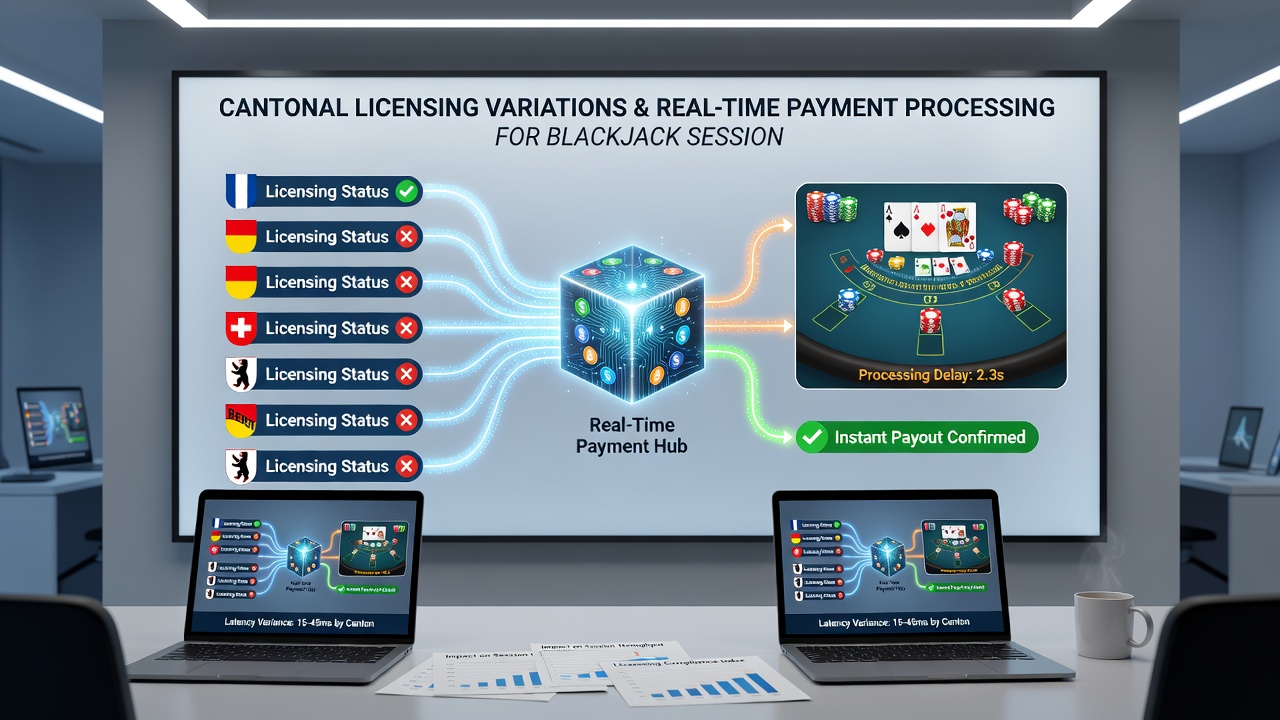
Industry data indicates that apps handling cross-cantonal users integrate dynamic compliance checks that adjust payment options based on detected location, and this helps maintain uninterrupted sessions. But here's the thing: when a player crosses into a new canton mid-game, the app may switch gateways automatically, which sometimes introduces brief pauses that affect betting rhythm.
Research from European gaming associations highlights that cantonal licensing also dictates which cryptocurrency or e-wallet providers receive approval, creating further divergence in how quickly funds move during high-stakes blackjack play. Those who've analyzed transaction logs find that approved methods in progressive cantons support sub-second confirmations, whereas others stick to traditional banking channels with longer verification steps.
Upcoming Changes Expected by September 2026
Planning documents from multiple cantons point toward coordinated updates in September 2026 that aim to align certain payment processing standards without erasing local autonomy. According to preliminary announcements, these adjustments will focus on standardized reporting for real-time transactions in mobile gambling apps, including blackjack platforms.
Yet the process remains fragmented because each canton retains final say over implementation timelines, and this means operators must continue monitoring individual requirements. Data shows early pilot programs in select regions already testing unified APIs that could reduce cross-canton friction for instant payments.
Conclusion
Cantonal licensing variations continue to define how real-time payment processing operates within Swiss blackjack apps, and the resulting differences affect everything from transaction speed to available methods during live sessions. Observers expect ongoing adjustments through September 2026 and beyond as authorities refine these frameworks while preserving regional control. Those tracking the sector note that operators who adapt their systems to multiple cantonal rules maintain smoother gameplay experiences across Switzerland's diverse regulatory landscape.