How Swiss Regional Banking Networks Shape Secure Session Flows in Licensed Mobile Blackjack and Roulette Environments
Devon Hartmann · Nov 2, 2026
How Swiss Regional Banking Networks Shape Secure Session Flows in Licensed Mobile Blackjack and Roulette Environments
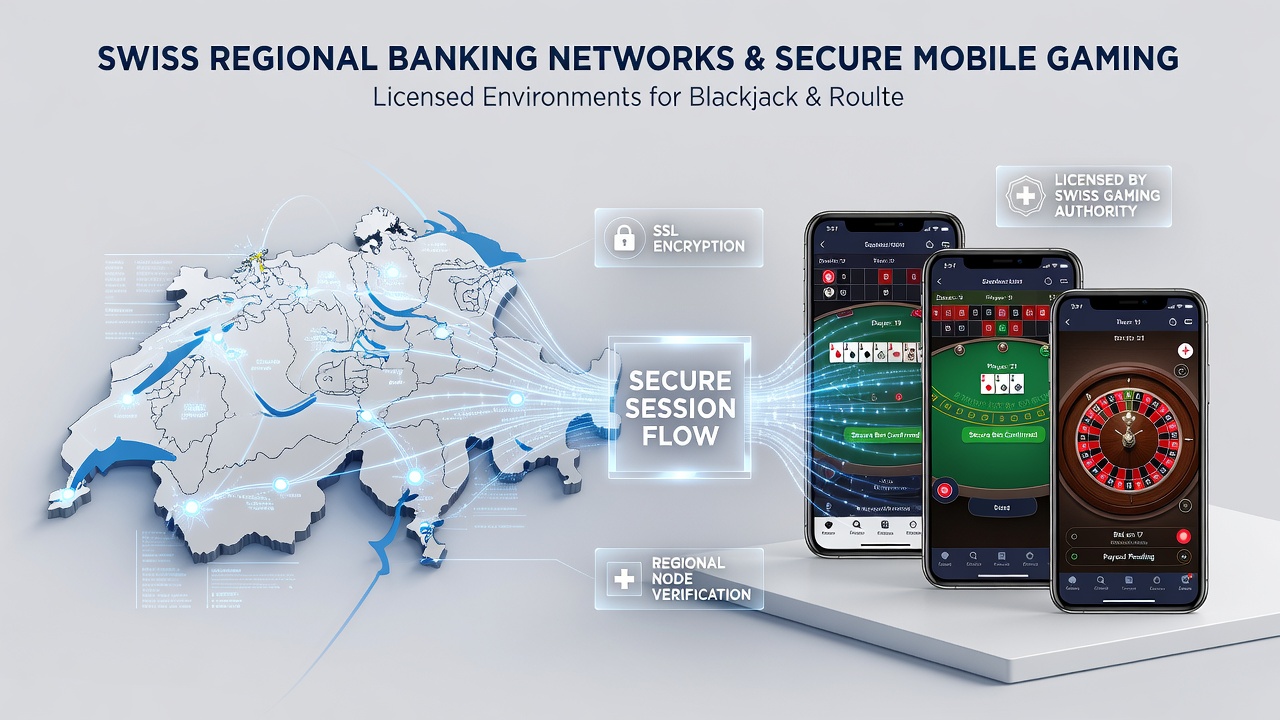
Swiss regional banking networks operate through distinct cantonal structures that directly influence how licensed mobile platforms manage secure session flows for blackjack and roulette games, and observers note that these networks establish encrypted channels between player accounts and game servers while maintaining compliance with federal financial oversight rules. In practice this means transaction verification occurs in real time across multiple regional nodes rather than through a single centralized gateway, which reduces latency during live dealer sessions and ensures that each bet placement or payout request routes through the appropriate cantonal banking partner.
Cantonal Variations in Network Architecture
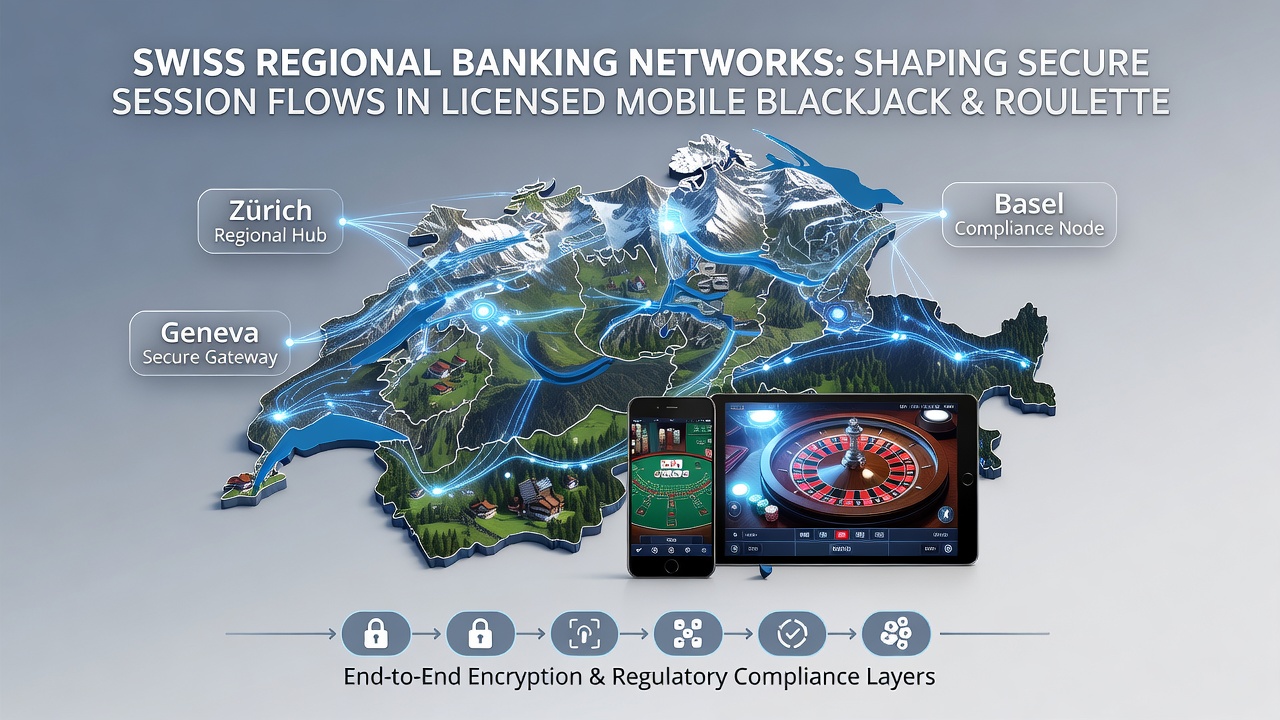
Regional differences appear clearly when comparing operations in Zurich versus Geneva or Basel, where local banks maintain separate API endpoints that mobile applications must authenticate against before a gaming session begins, and data shows that these variations affect session token generation times by fractions of a second yet create measurable differences in how quickly encrypted handshakes complete. Researchers at several Swiss financial institutions have documented that banks in the German-speaking cantons often prioritize multi-factor authentication tied to local clearing systems, whereas French-speaking regions integrate more directly with international card networks while still routing final settlement through domestic nodes.
Session Flow Mechanics in Licensed Environments
Secure session flows begin when a player opens a licensed mobile application and the device connects to a regional banking endpoint that issues a temporary cryptographic key valid only for that gaming instance, and this key travels alongside the game state data so that every blackjack hit or roulette spin request carries an embedded verification hash traceable back to the originating bank branch. Platforms licensed under Swiss federal and cantonal rules must log these flows without storing full card details, which means the banking network itself handles the sensitive elements while the game server receives only confirmation tokens that expire at teh end of each round.
November 2026 will bring scheduled updates to several regional clearing protocols that are expected to standardize token expiration windows across cantons, and industry reports indicate these changes will allow smoother handoffs when players move between different licensed operators while keeping the underlying banking authentication intact. The updates also introduce support for newer encryption standards that banking networks in Ticino and other southern cantons have already piloted with positive results in live dealer testing environments.
Integration with Live Dealer Platforms
Live dealer blackjack and roulette environments rely on continuous low-latency connections, and Swiss regional banks contribute by providing dedicated lines that bypass general internet traffic for transaction confirmations, which keeps the session flow synchronized with video streams from studio locations. One documented approach involves banks issuing session-specific digital signatures that the mobile app attaches to each action request, allowing the game server to validate bets without ever accessing the player's full financial profile directly. According to figures from the Swiss National Bank, such segmented authentication has reduced reported session interruption rates in mobile gaming by measurable margins over the past two years.
Security Protocols and Data Routing
Encryption standards applied by regional networks require that session data packets pass through at least two verification points before reaching the central game engine, and this double-check process prevents replay attacks during extended roulette sequences where rapid successive bets occur. Experts have observed that banks in larger cantons maintain redundant servers specifically for gaming-related traffic, whereas smaller regional institutions often partner with neighboring networks to share load during peak evening hours. A Canadian research paper on cross-border payment security referenced similar segmented routing models when discussing lessons applicable to European mobile environments.
Conclusion
Regional banking networks in Switzerland continue to define the technical boundaries within which licensed mobile blackjack and roulette platforms can operate securely, and the interplay between cantonal infrastructure and federal licensing requirements produces session flows that prioritize both speed and traceability. As November 2026 approaches, further alignment among these networks promises incremental improvements in how encrypted tokens and verification hashes move between players, banks, and game servers without compromising the localized character of each regional system.