Security Protocols Guiding Transaction Verification in Switzerland's Mobile Live Dealer Environments
Zoe Sullivan · Oct 19, 2026
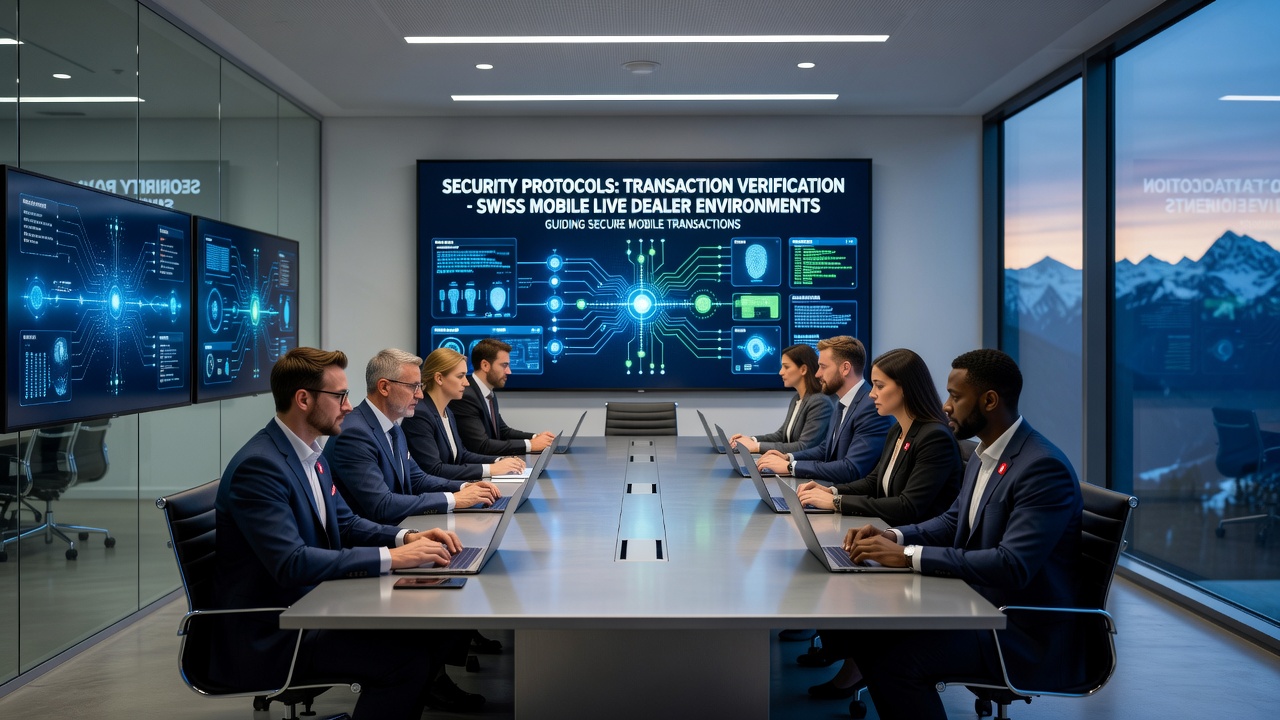
Security Protocols Guiding Transaction Verification in Switzerland's Mobile Live Dealer Environments
Security protocols in Switzerland's mobile live dealer environments rely on layered encryption methods combined with real-time verification steps that confirm each transaction before funds move between player accounts and operator servers, and these systems operate under strict federal oversight that requires continuous monitoring of data flows during live blackjack or roulette sessions on smartphones and tablets.
Operators must implement Transport Layer Security version 1.3 across all mobile applications, which encrypts data packets as they travel between devices and backend systems, while multi-factor authentication adds another checkpoint that demands both a password and a one-time code generated through a separate app before any deposit or withdrawal processes complete.
Core Verification Mechanisms
Transaction verification begins with device fingerprinting that captures unique hardware identifiers and location data, then cross-checks these details against previously registered user profiles to flag any mismatches that could indicate unauthorized access attempts. Researchers at institutions across Europe have documented how such fingerprinting reduces fraud rates in regulated markets by matching session patterns with historical behavior logs stored on secure servers.
Tokenization replaces sensitive card or bank details with unique digital tokens that hold no usable information if intercepted, and this approach integrates with blockchain-based ledgers in select platforms to create immutable records of each verified transfer. Data from the Swiss Federal Statistical Office shows steady growth in mobile transaction volumes through 2025, with verification success rates exceeding 99 percent in licensed operations that follow these standards.
Regulatory Requirements and Updates
Switzerland's framework demands that live dealer platforms undergo annual audits conducted by independent third parties, and these reviews examine everything from key management practices to incident response procedures for potential breaches. In October 2026, revised guidelines from federal authorities will introduce mandatory quantum-resistant algorithms for all new mobile applications, shifting encryption methods away from current RSA standards toward lattice-based alternatives that resist future computational threats.
Those who manage these environments coordinate with cantonal authorities to ensure local licensing conditions align with national security mandates, which include requirements for real-time reporting of any transaction anomalies exceeding predefined thresholds. Observers note that such coordination prevents gaps where a platform licensed in one canton might otherwise apply weaker controls than required elsewhere.
Integration with Live Dealer Operations
During live dealer sessions, security protocols pause gameplay automatically if a transaction verification fails at any point, and this pause allows operators to complete additional identity checks without disrupting the overall flow once clearance occurs. Payment gateways connect directly to Swiss banking networks that enforce SEPA or domestic transfer rules, adding bank-level authentication layers on top of casino-specific measures.

Studies published by the International Center for Responsible Gaming indicate that integrated verification systems in mobile environments lower dispute rates compared with desktop-only platforms, because continuous authentication tracks player actions across multiple game rounds in a single session.
Technical Standards in Practice
Application programming interfaces used by Swiss operators follow Open Banking protocols adapted for gaming, which allow secure data sharing between financial institutions and casino systems while maintaining end-to-end encryption throughout the exchange. Biometric options such as fingerprint or facial recognition serve as optional verification boosters on compatible devices, though these remain secondary to cryptographic methods that do not depend on hardware sensors.
Network segmentation keeps live dealer video streams separate from transaction processing channels, so even if one pathway encounters interference the other continues uninterrupted. Figures released by the European Securities and Markets Authority highlight how similar segmentation approaches have reduced cross-channel vulnerabilities in other regulated sectors, and Swiss platforms apply comparable architecture to maintain session integrity.
Conclusion
Security protocols guiding transaction verification continue to evolve alongside mobile technology in Switzerland's live dealer sector, with federal rules setting minimum standards that operators must exceed through regular testing and upgrades. These measures ensure that each verified transfer maintains confidentiality and authenticity from initiation to completion, supporting reliable access to real-time gaming environments without exposing user data to external risks.